
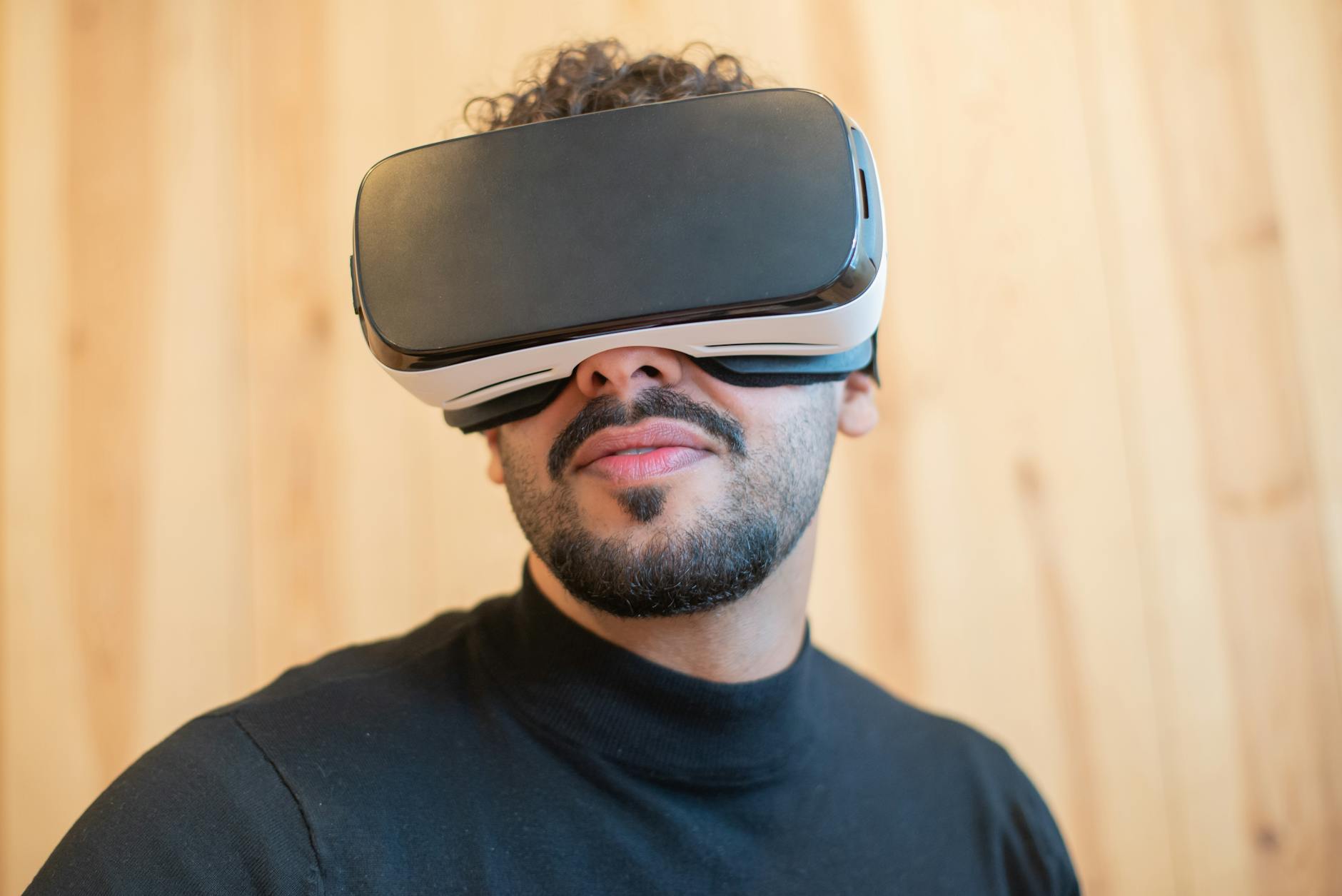
The landscape of education has undergone profound changes with the advent of digital technology. In the realm of Quran learning and Islamic education, these changes are both exciting and transformative. One of the most groundbreaking innovations is the integration of virtual reality (VR) into educational practices. This cutting-edge approach not only enhances the accessibility of Quran learning but also provides an immersive experience that can significantly enrich the educational journey of students. As we look ahead to 2026, it’s worth exploring how VR is transforming Islamic education, particularly in the UK, and what this means for the future of Quranic studies.
The Rise of Virtual Reality in Islamic Education
Virtual reality, once the domain of science fiction, is now a powerful tool in the field of education. With its ability to create immersive, three-dimensional environments, VR offers an unparalleled opportunity to engage students in a way that traditional methods cannot. In the context of online Quran learning, VR can simulate environments that help students immerse themselves in historical contexts, visualize complex concepts, and develop a deeper understanding of the Quran’s teachings.
Enhancing Engagement and Retention
One of the primary benefits of using VR in Quran learning is the increased engagement it offers. Unlike conventional classroom settings, VR can transport students to different times and places, allowing them to experience the teachings of the Quran more vividly. For instance, students can virtually walk through the streets of ancient Mecca, gaining firsthand insights into the historical and cultural context of the Quranic revelations. This immersive experience not only captures students’ attention but also aids in the retention of information.
Personalized Learning Experiences
Another significant advantage of VR in Quran education is its ability to provide personalized learning experiences. Through VR, students can progress at their own pace, revisiting challenging concepts until they achieve mastery. This is particularly beneficial in Quran memorization and Tajweed, where precision and repetition are crucial. By offering a tailored learning journey, VR helps accommodate the diverse needs of students, ensuring that each individual can achieve their full potential.
Virtual Reality in Action: Current Applications

Several innovative programs are already harnessing the power of VR to enhance Quran learning. These programs offer a glimpse into the future of Islamic education, where technology and tradition coexist harmoniously.
Interactive Quran Recitation
Through VR, students can engage in interactive Quran recitation sessions, where virtual tutors provide immediate feedback on pronunciation and Tajweed. This interactive approach is invaluable for students who may not have access to qualified tutors in their locality. Platforms like Online Tajweed Class are exploring ways to incorporate VR into their curriculum, making high-quality Quran education accessible to everyone.
Historical and Cultural Simulations
VR technology can also simulate historical and cultural settings, allowing students to experience the environments in which Quranic events unfolded. Such simulations foster a deeper understanding of the Quran’s messages and the historical significance of various events. By virtually exploring these settings, students can connect with the material in a meaningful way, enhancing their overall learning experience.
The Future of Quran Learning: Opportunities and Challenges

While the potential of VR in transforming Quran learning is immense, it is not without challenges. As we move towards 2026, several factors will influence the successful integration of VR into Islamic education.
Opportunities for Growth
The continued development of VR technology promises new opportunities for enhancing Quran education. As the technology becomes more sophisticated and affordable, educational institutions can offer more comprehensive and immersive learning experiences. This democratizes access to high-quality Quran education, allowing students from all backgrounds to benefit from cutting-edge learning tools.
Challenges to Overcome
Despite its potential, several challenges must be addressed to fully realize the benefits of VR in Quran learning. These include the need for substantial investment in technology, the development of culturally appropriate content, and the training of educators to effectively utilize VR tools. Additionally, ensuring that VR content aligns with religious teachings and values is paramount to maintaining the authenticity and integrity of Quran education.
Conclusion: Embrace the Future of Quran Learning
As we look to the future, the integration of virtual reality in Islamic education holds the promise of transformative change. By embracing this innovative approach, educators and students alike can access a richer, more engaging educational experience. For those seeking to explore these exciting opportunities, resources like the Online Quran Course for All Ages offer a gateway to the future of Quran learning. As we continue to navigate this digital age, let us embrace technology’s potential to enhance our spiritual journeys and broaden our understanding of the Quran.
For more insights into transformative Quran learning practices and to explore a range of educational resources, visit our home page. Join us in this exciting journey as we continue to innovate and expand the horizons of Islamic education.